




Table of Contents Show
Finding somewhere affordable to rent in the UK has become increasingly difficult, particularly for people moving out for the first time, young professionals and families trying to manage household expenses.
However, not every part of the country has experienced the same level of rental pressure. While London tenants can face monthly rents exceeding £2,000, several towns across northern England and Scotland still offer considerably cheaper accommodation.
According to the Office for National Statistics (ONS), the average UK monthly private rent reached £1,400 in August 2026. London remained the most expensive English region, averaging £2,332, compared with £788 in the North East.
But choosing the cheapest location is not always the smartest financial decision. Transport expenses, employment opportunities, property conditions and access to essential services can significantly affect how much money tenants actually save.
This guide examines ten affordable rental locations using published market data and practical considerations that matter when choosing a home.
What Are the Cheapest Places to Rent in the UK in 2026?
Zoopla’s August 2026 research identified several towns and cities where average monthly rents remained below £800.
Source: Zoopla, August 2026. Annual costs are calculated as monthly rent multiplied by 12. Figures are market averages, not guaranteed prices for currently available properties.
1. Burnley, Lancashire
 Burnley stands out as one of the cheapest places to rent in the UK, with an average monthly rent of approximately £646.
For tenants leaving expensive cities, the difference can be substantial. Someone moving from a property costing £1,200 monthly to one costing £646 could theoretically reduce their annual rent by £6,648.
However, finding a cheaper property does not automatically mean finding a better home.
Burnley has a mixture of traditional terraced houses, converted flats and residential neighbourhoods. Older properties may provide generous living space, but prospective tenants should pay particular attention to insulation, heating systems and signs of damp.
The town may suit people working locally, remote workers and households prioritising lower housing expenses.
Practical consideration: Inspect the heating system and check the Energy Performance Certificate before agreeing to rent an older terraced property.
2. Middlesbrough, North Yorkshire
 Middlesbrough offers relatively affordable rental accommodation, with average monthly rents around £671.
Its appeal extends beyond low property prices. The town provides access to local shopping facilities, healthcare services, educational institutions and transport connections across Teesside.
For someone relocating from southern England, Middlesbrough could offer the opportunity to rent a larger property without significantly increasing monthly housing expenditure.
However, rental affordability should be assessed alongside employment opportunities.
Tenants who depend on commuting to another town should calculate the cost of regular travel before choosing accommodation.
Practical consideration: Compare properties near your workplace with cheaper homes farther away. The savings can disappear if daily travel becomes expensive.
3. Sunderland, Tyne and Wear
 Sunderland combines relatively affordable housing with access to a larger urban environment.
The average monthly rent was approximately £672 in Zoopla’s August 2026 comparison.
The city offers coastal neighbourhoods, established residential areas and connections to Newcastle through the Tyne and Wear Metro network.
This makes Sunderland potentially attractive to tenants who want access to employment and entertainment across the wider region without paying Newcastle city-centre rents.
Property location still matters considerably. A flat close to transport links may be more useful than a cheaper home requiring multiple connections.
Practical consideration: If commuting to Newcastle, check the nearest Metro station and calculate the full monthly journey cost.
4. Hull, East Yorkshire
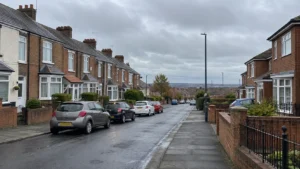 Hull remains an affordable option for renters looking for an established city with shopping, education and cultural facilities.
Average monthly rent was approximately £678 in August 2026.
Housing options range from traditional terraced properties to modern apartments, although costs can vary significantly between neighbourhoods and property types.
For households relocating from more expensive parts of Yorkshire, Hull may provide an opportunity to reduce rental expenditure while retaining access to city amenities.
Nevertheless, tenants should research individual streets rather than judging an entire neighbourhood by its average rent.
Practical consideration: Check flood-risk information for the specific property address and ask about any history of flooding before signing a tenancy.
5. Grimsby, Lincolnshire
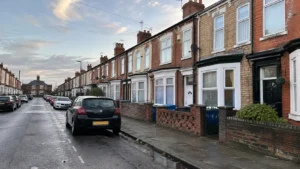 Grimsby recorded an average monthly rent of approximately £695, making it another comparatively affordable rental location.
The town may appeal to people working in local industries or those who prefer a smaller urban environment.
Some properties provide more living space than similarly priced accommodation in larger cities.
However, the range of available jobs and public transport connections should be considered carefully.
A low monthly rent is less useful if tenants need to travel long distances for employment or essential services.
Practical consideration: Research employment and transport options before relocating, particularly if you do not own a car.
6. Aberdeen, Scotland
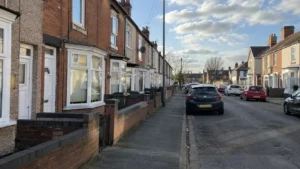 Aberdeen is an interesting addition because it offers a different rental experience from many smaller affordable towns.
Its average monthly rent was approximately £721 in Zoopla’s August 2026 city comparison.
The city has an established employment base associated with energy, professional services, education and other industries.
For tenants seeking a Scottish city with established amenities, Aberdeen may deserve consideration.
However, Scottish tenancy rules differ from those in England, and rental conditions vary across neighbourhoods.
Practical consideration: Check council tax, heating costs and the property’s insulation, particularly when comparing older flats with newer accommodation.
7. Barnsley, South Yorkshire
 Barnsley offers relatively affordable rental accommodation while providing access to other parts of South Yorkshire.
The town’s average monthly rent was approximately £744.
For people working in nearby employment centres, Barnsley may offer an alternative to renting in more expensive urban locations.
However, the overall financial benefit depends heavily on commuting arrangements.
A household saving £150 in rent but spending an additional £180 on transport would be worse off financially.
Practical consideration: Compare total monthly living expenses rather than rental prices alone.
8. Blackpool, Lancashire
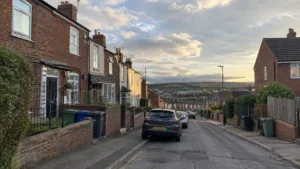 Blackpool is widely associated with tourism, but it also has established residential neighbourhoods and a year-round rental market.
Average monthly rent was approximately £749 in August 2026.
The town may appeal to tenants seeking relatively affordable coastal living.
However, property quality and location can vary considerably.
Tenants should distinguish between ordinary residential accommodation, holiday lets and properties subject to seasonal arrangements.
Practical consideration: Confirm that the property is available for a normal residential tenancy and inspect it for damp, ventilation and heating issues.
9. Doncaster, South Yorkshire
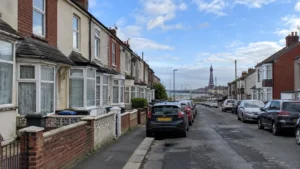 Doncaster offers an average monthly rent of approximately £754.
Its transport connections and range of residential neighbourhoods make it worth considering for tenants who need access to surrounding towns and cities.
The area includes traditional housing, suburban developments and apartments.
For families, access to schools, supermarkets and healthcare facilities may be more important than securing the lowest advertised rent.
Practical consideration: Compare properties using their actual travel times to work, school and essential services.
10. Bradford, West Yorkshire
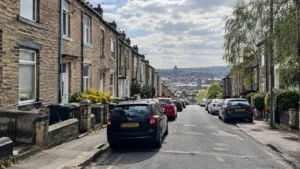 Bradford completes this comparison with an average monthly rent of approximately £763.
The city offers a substantial range of residential neighbourhoods and access to the wider West Yorkshire economy.
For tenants working in Bradford or neighbouring areas, the city may provide an alternative to more expensive rental markets.
However, property conditions, transport access and local amenities differ significantly across the city.
Practical consideration: Visit the neighbourhood at different times of day and check public transport reliability before committing to a property.
Is Moving to a Cheaper Town Really Worth It?
Lower rent can make a meaningful difference to household finances, but relocation involves more than comparing advertised property prices.
Consider two hypothetical rental options.
Illustrative household budgets, not surveyed local averages.
In this example, the cheaper town saves £280 per month, equivalent to £3,360 annually.
That is still a worthwhile difference, but it is smaller than the £400 monthly saving suggested by rent alone.
The calculation becomes even more important for tenants who rely on public transport or need to travel regularly to another city.
What Should Tenants Check Before Renting a Cheap Property?
Property Condition and Energy Efficiency
A low advertised rent can sometimes conceal expensive maintenance or heating problems.
Before paying a deposit, tenants should inspect windows, walls, bathrooms and heating systems.
An Energy Performance Certificate can provide useful information about the property’s energy efficiency, although actual bills depend on usage and household circumstances.
Local Employment and Transport
Moving to an inexpensive town without considering employment can create financial difficulties.
Tenants should research local job opportunities, commuting distances and transport availability.
People working remotely should also check broadband availability at the exact address.
Council Tax and Household Bills
Council tax varies by local authority and property band.
A cheaper property may not necessarily have lower council tax, particularly when comparing homes in different areas.
Ask for the council tax band and obtain realistic estimates of household bills before making a final decision.
Upfront Moving Expenses
Renters should budget for deposits, advance rent, removals and other permitted costs.
These expenses can be particularly significant when moving across the country.
Are UK Rents Expected to Become More Affordable?
The outlook remains challenging.
Zoopla’s September 2026 Rental Market Report recorded an average monthly rent of £1,343 for new lets, with annual rental growth of 2.6%.
The report also highlighted declining rental supply and increasing competition among prospective tenants.
Although some towns remain substantially cheaper than major cities, affordability pressures are not limited to London.
Indeed, relatively inexpensive locations can experience rapid rental increases when demand grows faster than housing supply.
This means tenants should avoid assuming that historically cheap areas will remain affordable indefinitely.
Final Thoughts
Burnley, Middlesbrough, Sunderland, Hull and Grimsby are among the more affordable towns and cities highlighted by 2026 rental-market research.
However, the best place to rent depends on personal circumstances.
A remote worker might prioritise rental cost and broadband reliability, while a family may place greater importance on schools, healthcare and neighbourhood amenities. Someone commuting daily could benefit more from an accessible property than from the cheapest available rent.
The most useful approach is to compare total housing and living costs, property quality and practical suitability rather than choosing a location based solely on its average monthly rent.
Research Methodology and Editorial Disclosure
Research reviewed: 14 October 2026.
This article uses publicly available rental-market research from Zoopla and official private rental statistics published by the Office for National Statistics.
The ten locations follow Zoopla’s August 2026 affordable-city comparison. They are not presented as a new independent ranking of every UK town.
The practical considerations are editorial guidance based on common rental-search factors, not claims of personally conducted property viewings or tenant interviews.
Rental prices are averages and may differ according to property size, neighbourhood, condition and availability.